
Women's Silent Struggle: Undiagnosed Mental Health Disorders
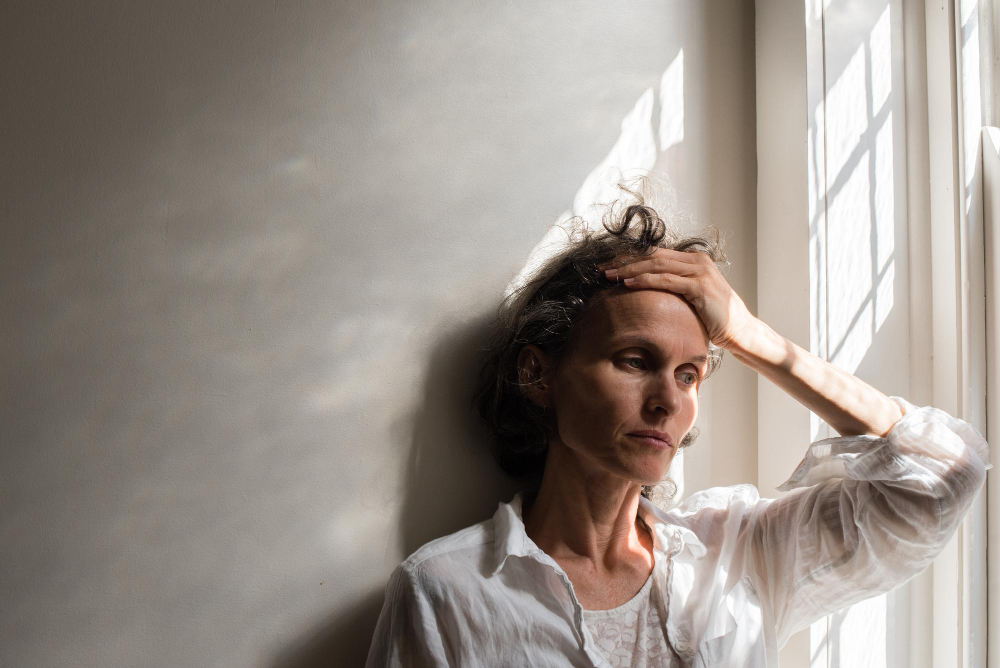
Sarah wakes up exhausted despite sleeping eight hours. She forces herself through daily routines while battling an inexplicable heaviness that follows her everywhere. At work, she smiles and performs admirably, but inside, she feels like she's drowning. When friends ask how she's doing, Sarah responds with the expected "I'm fine" while silently wondering why life feels so overwhelming.
Sarah's experience reflects a widespread reality: millions of women live with undiagnosed mental health disorders, suffering in silence while maintaining the appearance of having everything together. This hidden crisis affects women across all demographics, yet many struggle alone, unaware that their symptoms represent treatable conditions.
The barriers to diagnosis and treatment run deep, from societal expectations that women should effortlessly manage multiple roles to healthcare systems that historically overlooked women's mental health needs. Understanding these challenges represents the first step toward breaking the silence and finding the support that can transform lives.
Why Women's Mental Health Often Goes Unrecognized
Women face unique obstacles when it comes to mental health recognition and treatment. Traditional diagnostic criteria for many conditions were developed primarily based on male presentations, leading to misinterpretation or dismissal of how disorders manifest differently in women.
Depression in women, for example, might present as fatigue, guilt, and anxiety rather than the classic symptoms of sadness and withdrawal. Women experiencing ADHD often develop coping mechanisms that mask their symptoms, leading to diagnoses much later in life than their male counterparts. These presentation differences contribute to delayed or missed diagnoses.
Healthcare providers sometimes attribute women's mental health concerns to hormonal fluctuations or stress, minimizing symptoms that warrant serious attention. This dismissive approach can leave women feeling unheard and discouraged from seeking further help, perpetuating the cycle of silent suffering.
The Weight of Societal Expectations
Cultural messaging teaches women to prioritize others' needs above their own, often at the expense of their mental health. The expectation to be nurturing caregivers, successful professionals, and perfect partners creates impossible standards that many women internalize as personal failures when they can't meet them all.
Women frequently report feeling guilty for experiencing mental health struggles, viewing them as signs of weakness rather than legitimate medical conditions. This self-stigma prevents many from recognizing their symptoms as treatable disorders rather than character flaws.
The "superwoman" stereotype particularly impacts women of color, who may face additional pressure to appear strong and resilient while navigating systemic barriers and discrimination. These compounding stressors can exacerbate mental health conditions while making it even more difficult to seek help.
Common Undiagnosed Conditions in Women
Several mental health disorders frequently go undiagnosed in women, often because their symptoms are attributed to other causes or dismissed entirely.
Anxiety Disorders
While anxiety affects twice as many women as men, many cases remain undiagnosed. Women's anxiety might be labeled as being "high-strung" or "emotional," preventing recognition of conditions like generalized anxiety disorder, panic disorder, or social anxiety that significantly impact daily functioning.
Physical symptoms like headaches, digestive issues, and sleep problems are sometimes treated individually without addressing the underlying anxiety driving these manifestations.
Depression and Mood Disorders
Women experience depression at nearly twice the rate of men, yet many cases go unrecognized. Postpartum depression affects up to 15% of new mothers but often remains undiagnosed due to shame, stigma, and the misconception that all new mothers should feel overwhelmed.
Seasonal affective disorder, premenstrual dysphoric disorder, and perimenopause-related mood changes also frequently lack proper recognition and treatment.
ADHD in Adult Women
Adult women with ADHD are significantly underdiagnosed compared to men. Women often develop coping strategies that mask symptoms, and their presentation tends toward inattentiveness rather than hyperactivity, making the condition less obvious to others.
Many women receive their first ADHD diagnosis when their children are evaluated, leading to recognition of their own lifelong struggles with organization, focus, and emotional regulation.
Trauma-Related Disorders
Post-traumatic stress disorder (PTSD) and complex trauma responses in women frequently go undiagnosed. Symptoms might be attributed to depression or anxiety without addressing the underlying trauma that drives these responses.
Women who experienced childhood abuse, domestic violence, or sexual assault may struggle with symptoms for years without understanding their connection to past traumatic experiences.
Barriers to Seeking Help
Multiple factors prevent women from pursuing mental health evaluation and treatment. Time constraints created by caregiving responsibilities and work demands leave little opportunity for self-care, including addressing mental health concerns.
Financial barriers also play a significant role. Women often prioritize family expenses over their own healthcare needs, viewing therapy or psychiatric care as luxuries rather than necessities.
Geographic limitations can restrict access to specialized mental health services, particularly for women in rural areas or those seeking providers who understand specific cultural backgrounds or experiences.
Fear of judgment from family, employers, or community members keeps many women from seeking help. Concerns about being seen as unable to handle responsibilities or being stigmatized for mental health treatment create powerful deterrents to care.
The Ripple Effects of Untreated Mental Health
When women's mental health conditions remain undiagnosed and untreated, the consequences extend far beyond individual suffering. Families are affected when mothers, sisters, and daughters struggle without proper support and intervention.
Untreated mental health conditions can impact work performance, relationships, and physical health. Women might develop substance use disorders as they attempt to self-medicate symptoms they don't understand. The longer conditions go untreated, the more complex they often become.
Children of mothers with untreated mental health conditions face increased risks for their own mental health challenges. Breaking cycles of untreated mental health requires recognizing and addressing these conditions across generations.
Breaking the Silence
Recognition represents the first step toward healing. Women experiencing persistent mood changes, anxiety, difficulty concentrating, or other concerning symptoms deserve professional evaluation rather than dismissing these experiences as normal stress.
Trusted healthcare providers can conduct thorough assessments that consider the full range of women's mental health presentations. Seeking second opinions when concerns are dismissed ensures that symptoms receive proper attention.
Building support networks with other women who understand these struggles reduces isolation and provides encouragement for seeking professional help. Online communities and local support groups offer connections with others who share similar experiences.
Finding Professional Support
Professional mental health care provides the expertise needed to accurately diagnose and treat women's mental health conditions. Therapists trained in women's issues understand the unique presentations and challenges that women face.
Specialized treatment approaches address the complex interplay between hormonal changes, life transitions, trauma, and mental health symptoms. Comprehensive care considers the whole person rather than treating symptoms in isolation.
If you're considering women's therapy in Winter Park, FL, contact Orlando Thrive Therapy today for more information. Taking this step toward professional support can mark the beginning of a journey from silent struggle to empowered healing.
Moving Forward with Hope
Women's mental health struggles don't have to remain hidden battles. Recognition, professional support, and appropriate treatment can transform lives and break cycles of silent suffering.
Every woman deserves to understand her mental health experiences and access the care needed to thrive. By acknowledging these challenges and seeking professional help, women can move from surviving to flourishing, creating better futures for themselves and their families.
The path from undiagnosed struggle to mental wellness begins with a single step: recognizing that seeking help represents strength, not weakness, and that every woman's mental health matters.
Start Your Journey Toward Thriving
Connect with a compassionate Orlando therapist and take the first step toward healing, clarity, and lasting emotional well-being.