
Proven Tips for Managing Anxiety Flare-ups
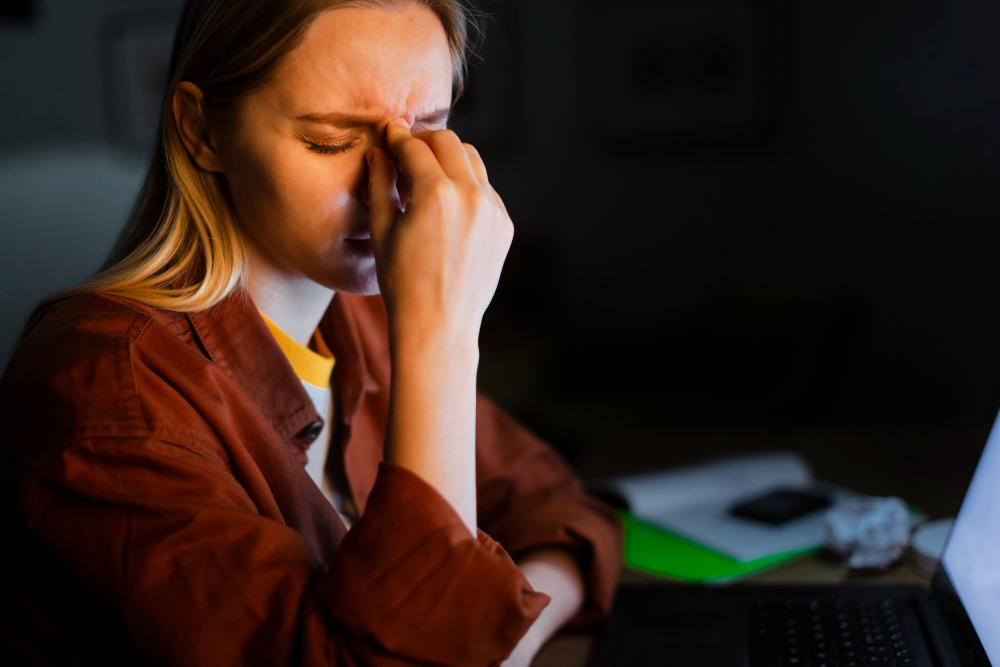
Anxiety can strike without warning, transforming an ordinary moment into an overwhelming experience. Your heart races, your thoughts spiral, and suddenly the world feels impossibly difficult to navigate. If this sounds familiar, you're not alone—anxiety disorders affect over 40 million adults in the United States each year.
While professional support plays a crucial role in long-term anxiety management, having immediate coping strategies can make all the difference when anxiety peaks. These evidence-based techniques can help you regain control during difficult moments and build resilience for the future.
Whether you're experiencing your first anxiety flare-up or you've been managing anxiety for years, these practical tips offer immediate relief and sustainable strategies for better mental health.
Recognize the Early Warning Signs
Learning to identify anxiety before it reaches its peak gives you valuable time to implement coping strategies. Early warning signs vary from person to person, but common indicators include muscle tension, changes in breathing patterns, racing thoughts, or physical sensations like a tight chest or stomach butterflies.
Pay attention to your personal anxiety signature. Some people notice irritability or difficulty concentrating first, while others experience physical symptoms like sweating or trembling. Keeping a brief anxiety journal can help you identify patterns and triggers, making early intervention more effective.
The sooner you recognize these signs, the more tools you have at your disposal. Early intervention often requires less intensive coping strategies than managing full-blown panic.
Master Your Breathing
When anxiety strikes, your breathing often becomes shallow and rapid, which can intensify feelings of panic. Controlled breathing techniques can quickly activate your body's relaxation response and restore a sense of calm.
Try the 4-7-8 breathing technique: inhale for 4 counts, hold your breath for 7 counts, then exhale slowly for 8 counts. This pattern helps regulate your nervous system and provides a focal point for your attention.
Alternatively, practice diaphragmatic breathing by placing one hand on your chest and another on your stomach. Focus on breathing deeply enough that only your bottom hand moves. This technique ensures you're taking full, calming breaths rather than shallow chest breathing that can worsen anxiety.
Ground Yourself in the Present Moment
Anxiety often pulls your mind toward worst-case scenarios or future worries. Grounding techniques anchor you in the present moment, interrupting the cycle of anxious thinking.
The 5-4-3-2-1 technique engages all your senses: identify 5 things you can see, 4 things you can touch, 3 things you can hear, 2 things you can smell, and 1 thing you can taste. This exercise redirects your attention away from anxious thoughts and toward your immediate environment.
Physical grounding can be equally effective. Press your feet firmly into the floor, hold a cold object, or splash cool water on your face. These actions send signals to your brain that you're safe and present, helping to reduce anxiety's intensity.
Challenge Anxious Thoughts
Anxiety often comes with distorted thinking patterns that make situations seem worse than they actually are. Learning to question and restructure these thoughts can significantly reduce their power over you.
When you notice catastrophic thinking, ask yourself: "Is this thought realistic? What evidence do I have for and against this worry? What would I tell a friend in this situation?" Often, you'll find that your anxious thoughts are based on possibilities rather than probabilities.
Replace catastrophic thoughts with more balanced ones. Instead of "Everything is going wrong," try "This is challenging, but I can handle it one step at a time." This shift doesn't dismiss your concerns but approaches them from a more manageable perspective.
Create a Calming Environment
Your physical environment can either fuel anxiety or promote relaxation. When possible, move to a space where you feel safe and comfortable during an anxiety flare-up.
Dim harsh lighting, reduce noise levels, or play calming music. Some people find that certain scents, like lavender or chamomile, help promote relaxation. Keep a small kit of calming items—perhaps a stress ball, essential oil, or comforting photos—easily accessible for difficult moments.
If you can't change your location, you can still create a sense of calm. Close your eyes, visualize a peaceful place, or use noise-canceling headphones to create a mental sanctuary.
Move Your Body Mindfully
Physical movement helps metabolize stress hormones and releases tension that builds up during anxiety episodes. You don't need an intense workout—gentle movement often works best during acute anxiety.
Try progressive muscle relaxation by tensing and then releasing different muscle groups throughout your body. Start with your toes and work your way up, spending about 5 seconds tensing each area before releasing.
Simple stretching, walking, or even gentle dancing can help discharge anxious energy. The key is choosing movement that feels supportive rather than overwhelming in the moment.
Develop a Self-Compassion Practice
Anxiety often comes with a harsh inner critic that makes difficult moments even worse. Practicing self-compassion can break this cycle and provide emotional support during challenging times.
Speak to yourself the way you would comfort a good friend. Acknowledge that anxiety is difficult and that struggling with it doesn't make you weak or broken. Remind yourself that millions of people experience anxiety, and seeking help is a sign of strength, not failure.
Consider placing a hand on your heart or giving yourself a gentle hug while offering yourself kind words. This physical gesture activates your body's soothing system and reinforces the compassionate message.
Build Long-term Resilience
While immediate coping strategies are essential, building long-term resilience helps reduce the frequency and intensity of anxiety flare-ups over time. Regular exercise, adequate sleep, and a balanced diet all support better mental health and stress management.
Mindfulness meditation, even just 10 minutes daily, can help you develop a different relationship with anxious thoughts. Instead of being overwhelmed by them, you learn to observe them with curiosity and let them pass naturally.
Consider keeping an anxiety toolkit—a collection of strategies that work best for you. This might include breathing exercises, grounding techniques, supportive music, or contact information for trusted friends or mental health professionals.
When to Seek Professional Support
While self-help strategies are valuable, they're most effective when combined with professional support. If anxiety interferes with your daily life, relationships, or work, or if you're avoiding activities you once enjoyed, it may be time to seek professional help.
A mental health professional can help you understand your anxiety patterns, develop personalized coping strategies, and explore treatment options like therapy or medication if appropriate. Many people find that counseling provides both immediate relief and long-term tools for managing anxiety.
Professional support doesn't mean your self-help efforts have failed—it means you're taking a comprehensive approach to your mental health. The combination of professional guidance and personal coping strategies often provides the most effective anxiety management.
Take the Next Step Toward Better Mental Health
Managing anxiety flare-ups takes practice, patience, and often professional support. Remember that healing isn't linear, and developing effective coping skills is a process that unfolds over time.
Start by choosing one or two techniques that resonate with you and practice them regularly, even when you're not anxious. This preparation makes the strategies more accessible when you need them most.
If you're interested in counseling in Winter Park, FL, contact Orlando Thrive Therapy today for more information. Professional support can help you develop personalized strategies for managing anxiety and building the resilient, fulfilling life you deserve.
Start Your Journey Toward Thriving
Connect with a compassionate Orlando therapist and take the first step toward healing, clarity, and lasting emotional well-being.