
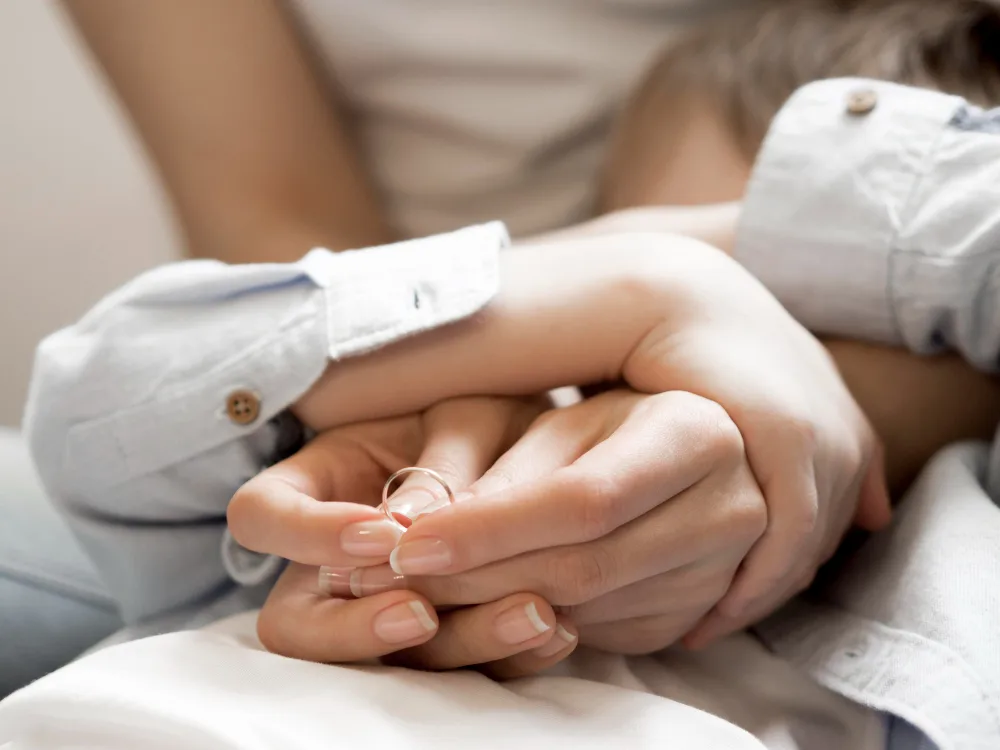
The vows you take on your wedding day are a promise for the future. But the person standing at the altar is a product of their past. The experiences we have in childhood, from the family dynamics we witness to the lessons we learn about love, don't just disappear. They follow us into adulthood and profoundly shape how we connect with others, especially our romantic partners.
Understanding this connection is crucial for building a strong and resilient marriage. The patterns of communication, conflict resolution, and affection we learned as children often become the unconscious blueprint for our own relationships. Recognizing these patterns is the first step toward addressing the challenges they might create and fostering a healthier, more conscious partnership.
This article will explore the ways childhood experiences can influence your marriage. By examining attachment styles, communication habits, and views on conflict, you can gain valuable insight into your own behaviors and those of your partner. This understanding can help you navigate disagreements more effectively, build deeper intimacy, and create a stronger foundation for your future together. For those in Orlando, FL, seeking support, this knowledge can be a powerful starting point for growth, potentially complemented by professional guidance like in-home marriage therapy.
The Foundation: Attachment Theory in Relationships
One of the most significant ways our childhood affects our adult relationships is through attachment styles. Developed in our earliest years based on our interactions with primary caregivers, these styles dictate how we approach intimacy and connection. There are four primary attachment styles:
Secure Attachment
Individuals with a secure attachment style typically had caregivers who were responsive and available to their needs. As children, they felt safe, understood, and valued. In their adult relationships, these individuals tend to be comfortable with intimacy and are not afraid of depending on others or having others depend on them. They can communicate their needs openly and are skilled at managing conflict constructively. A secure partnership is often marked by trust, mutual respect, and emotional balance.
Anxious Attachment
An anxious attachment style often develops when a caregiver's responses are inconsistent. Sometimes they were nurturing and available, and other times they were distant or intrusive. This unpredictability can lead to anxiety and uncertainty in a child. As adults, people with this attachment style may crave closeness and intimacy but often fear their partner doesn't want to be as close as they do. They might worry about their partner's love and can be sensitive to any signs of distance, which can lead to clinginess or demanding behavior in a marriage.
Avoidant Attachment
An avoidant attachment style can form when a caregiver is consistently distant or unresponsive. Children in these environments learn to be self-reliant and may suppress their need for connection to avoid the disappointment of being rejected. In adulthood, these individuals often value their independence highly and may feel uncomfortable with deep emotional intimacy. They might seem distant or closed off, struggle to express their feelings, and may pull away when a partner tries to get too close.
Disorganized Attachment
This attachment style, also known as fearful-avoidant, often results from childhood experiences of fear, trauma, or abuse where the caregiver was a source of both comfort and fear. As adults, these individuals often find themselves in a confusing push-pull dynamic. They deeply desire intimacy but are also terrified of it. Their behavior in a marriage can be unpredictable, swinging between a need for connection and a fear-driven impulse to push their partner away.
Recognizing your own and your partner's attachment styles can be transformative. It helps reframe behaviors that might seem hurtful or confusing as expressions of deeply ingrained patterns. For couples in Florida looking for support, in-home marriage therapy can provide a safe space to explore these dynamics and develop more secure ways of relating to one another.
Learned Behaviors: Communication and Conflict
Beyond attachment, our family of origin teaches us specific scripts for communication and conflict resolution. We observe how our parents interact, handle disagreements, and show affection, and these observations become our default settings.
Communication Patterns: Did your family express feelings openly, or were emotions swept under the rug? If you grew up in a home where feelings were discussed freely, you're more likely to communicate your emotional needs clearly to your spouse. Conversely, if emotions were considered a sign of weakness or were simply ignored, you might struggle to be vulnerable or even identify what you're feeling in your marriage.
Conflict Resolution: How did your parents handle disagreements? Some people grew up watching their parents have loud, explosive arguments, while others never saw their parents disagree at all.
- Conflict as a Threat: If arguments in your childhood home were destructive or scary, you might avoid conflict at all costs in your marriage. This can lead to unresolved issues festering beneath the surface.
- Conflict as Normal: If you witnessed healthy debates where resolution and respect were possible, you're more likely to see disagreements as a normal part of a relationship that can even lead to growth.
- Silent Treatment: If one or both parents used the silent treatment as a form of punishment, you might replicate this damaging behavior, shutting down communication when you feel hurt or angry.
Understanding these learned behaviors allows you and your partner to consciously choose different, more constructive approaches. It’s about recognizing, "This is the way I learned to handle this, but is it the way that best serves our marriage?"
How to Move Forward Together
Recognizing the influence of your past is not about placing blame. Instead, it’s about taking ownership of your healing and growth as a couple. Here are some steps you can take:
- Cultivate Self-Awareness: Take time to reflect on your childhood. What were the spoken and unspoken rules in your family? How were love and anger expressed? Journaling or talking with a trusted friend can help uncover these patterns.
- Foster Open Communication: Share your reflections with your partner. Use "I" statements to explain how your past might be influencing your present actions. For example, "When I feel unheard, I tend to shut down because that's what I learned to do as a child." This fosters empathy rather than defensiveness.
- Identify Shared Goals: As a couple, decide what you want your marriage to look like. Do you want a home filled with open communication? A partnership where conflict leads to deeper understanding? Creating a shared vision gives you a common goal to work toward.
- Seek Professional Support: Sometimes, these patterns are too deeply ingrained to navigate on your own. A therapist can provide tools and a neutral space to work through these issues. For couples in Orlando, FL, options like in-home marriage therapy offer the convenience and comfort of addressing these sensitive topics in your own environment.
Building Your Own Legacy
Your childhood provides the initial draft of your relationship blueprint, but it doesn't have to be the final version. You and your partner have the power to revise, edit, and create a new design for your life together—one built on conscious choices, mutual understanding, and intentional love.
By exploring the impact of your past, you can break free from unhelpful cycles and build a stronger, more fulfilling partnership. It’s a journey that requires courage and vulnerability, but it’s one that can lead to profound connection and lasting happiness.
If you are in the Orlando area and believe your marriage could benefit from professional guidance, exploring in-home marriage therapy is a proactive step toward building that healthier future. If you're ready to start this transformative work, contact Orlando Thrive Therapy today to learn more about our services in FL.