
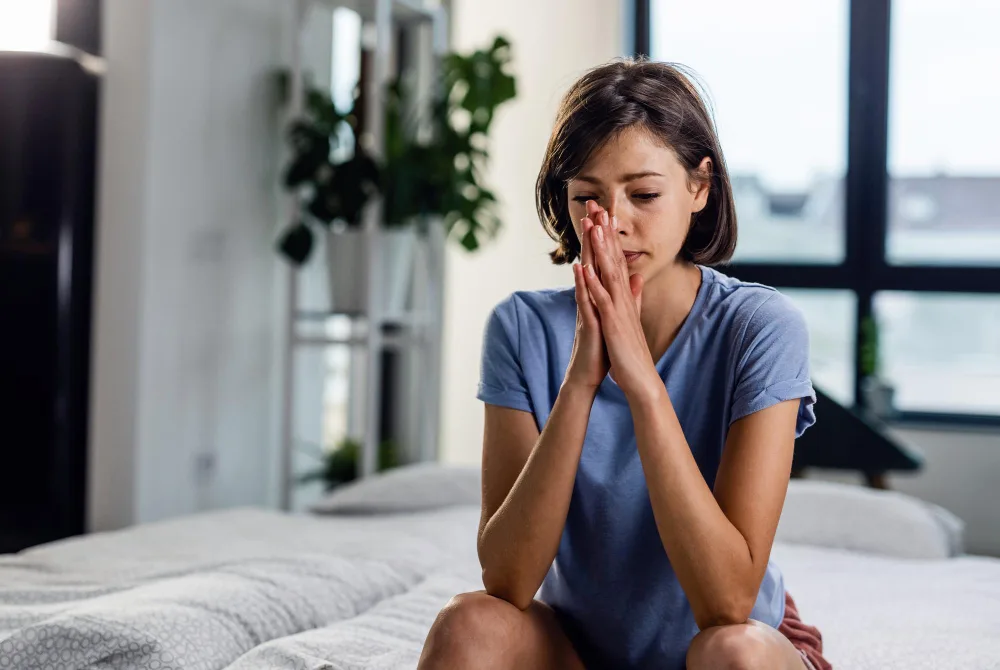
Anxiety is one of the most common mental health conditions globally, yet it remains deeply misunderstood. While the core feeling—a sense of worry, fear, or unease—is a universal human experience, the way it presents itself on the outside can vary drastically from person to person. One of the most significant factors influencing these symptoms is gender.
Research consistently shows that women are diagnosed with anxiety disorders at significantly higher rates than men. However, this statistic doesn't tell the whole story. It doesn't necessarily mean that men worry less; it often means that their anxiety looks different, acts different, and is treated differently by society.
Understanding these nuances is critical for recognizing the signs in yourself or a loved one. Whether it is manifested as quiet rumination or explosive irritability, untreated anxiety can debilitate a person's quality of life. By exploring the biological and social differences in how anxiety manifests, we can better advocate for effective treatment and support.
The Gender Gap in Diagnosis
When looking at the data, women are nearly twice as likely as men to be diagnosed with an anxiety disorder during their lifetime. This disparity appears early in life, often emerging around puberty and continuing through adulthood.
Biological factors certainly play a role. Hormonal fluctuations related to the reproductive cycle—such as menstruation, pregnancy, and menopause—can influence brain chemistry and stress responses. For instance, the "fight or flight" response is active in both genders, but women are more likely to experience a "tend and befriend" response due to the influence of oxytocin, leading to different coping mechanisms.
However, biology is only one piece of the puzzle. Social conditioning and cultural expectations heavily dictate how we express distress, leading to distinct patterns in symptoms.
How Anxiety Manifests in Women
For many women, anxiety is an internalized experience. It is often characterized by turning thoughts and feelings inward, leading to a mental landscape dominated by worry and self-criticism.
Rumination and Overthinking
One of the hallmarks of anxiety in women is rumination—the tendency to repetitively think about the causes, situational factors, and consequences of a negative emotional experience. This might look like replaying a conversation from three days ago, worrying excessively about future events that haven't happened yet, or fixating on perceived personal failures.
Physical Somatization
Women are more likely to report physical symptoms that are directly linked to their emotional state. This often includes:
- Muscle tension and headaches
- Fatigue and lethargy
- Stomach issues and nausea
- Shortness of breath
Comorbidity with Depression
It is quite common for women to experience anxiety alongside depression. The constant state of high alert and worry can eventually lead to emotional exhaustion and feelings of hopelessness. Because women are generally more verbal about their emotions and more willing to seek help, these co-occurring disorders are often identified and treated in clinical settings.
How Anxiety Manifests in Men
If anxiety in women is often internalized, anxiety in men is frequently externalized. Men are socialized to view fear and vulnerability as weaknesses, which leads many to mask their anxiety with behaviors that appear "tough" or "in control." This masking often leads to misdiagnosis or a complete lack of diagnosis.
Anger and Irritability
This is perhaps the most distinct difference. A man suffering from high-functioning anxiety may not appear nervous; he may appear angry. When the body is in a state of high arousal (stress), and a man feels unable to express "I am scared," that energy often converts to irritability, outbursts of rage, or a short temper. He might snap at his spouse, become easily frustrated with his children, or exhibit road rage.
Avoidance and Escapism
To cope with uncomfortable feelings, men are statistically more likely to engage in avoidance behaviors. This can manifest as burying oneself in work to avoid thinking about personal stressors. It can also lead to substance abuse. Men have higher rates of alcohol and drug use disorder, which are often attempts to self-medicate the racing thoughts associated with anxiety.
Physical Symptoms
Like women, men experience physical symptoms, but they may interpret them differently. Men are more likely to seek medical help for heart palpitations, chest pain, or sleep disturbances, fearing a heart attack or physical ailment, without realizing the root cause is psychological stress.
The Role of Socialization
Why do these differences exist? Much of it comes down to the scripts we are given as children.
From a young age, girls are often allowed, if not encouraged, to talk about their feelings. They are given the vocabulary to express sadness and fear. Consequently, when a woman seeks anxiety counseling, she is often able to articulate her emotional state clearly.
Conversely, many boys are raised with the mandate to "man up." They are taught that stoicism is a virtue and that emotional vulnerability is a liability. As a result, a man might not even recognize his feelings as anxiety. He might view his constant state of tension as simply "stress from the job" or a necessary part of providing for his family. This stigma prevents countless men from seeking the support they need until they reach a breaking point.
Treatment Options: Finding What Works
Regardless of gender, anxiety is highly treatable. The goal of therapy is not to eliminate stress entirely—stress is a natural part of life—but to provide tools to manage the reaction to it.
Cognitive Behavioral Therapy (CBT)
CBT is the gold standard for treating anxiety. It helps individuals identify irrational thought patterns (like catastrophizing) and replace them with more realistic, balanced thoughts. For men, who often prefer solution-oriented approaches, CBT can be particularly effective as it feels practical and actionable.
Lifestyle Changes
Treatment isn't just about what happens in a therapist's office. Regular exercise, adequate sleep, and reducing caffeine intake are crucial. For women, who may carry the mental load of managing a household, learning to set boundaries and prioritize self-care is often a vital part of the healing process.
Medication
In some cases, medication such as SSRIs (selective serotonin reuptake inhibitors) can help regulate brain chemistry. This is often most effective when combined with counseling.
Breaking the Stigma
Recognizing that anxiety wears many faces is the first step toward better mental health.
For women, it means understanding that your physical exhaustion might be a symptom of a racing mind. For men, it means accepting that anger or a need for control might actually be fear in disguise.
It is time to move past the stereotypes of what a "nervous person" looks like. Anxiety doesn't always look like a person shaking in the corner. Sometimes it looks like a perfectionist mother who can't sleep. Sometimes it looks like a workaholic father who flies off the handle at minor inconveniences.
Taking the Next Step
If you recognize these symptoms in yourself or someone you care about, know that you do not have to navigate it alone. Professional support can help you untangle the complex web of biological and social factors contributing to your stress.
If you're seeking anxiety counseling in Altamonte Springs, FL, contact Orlando Thrive Therapy today for more information. Taking that first step is often the hardest, but it is the most important investment you can make in your future well-being.