
Real Self-Care in Florida: What Science Says Actually Works
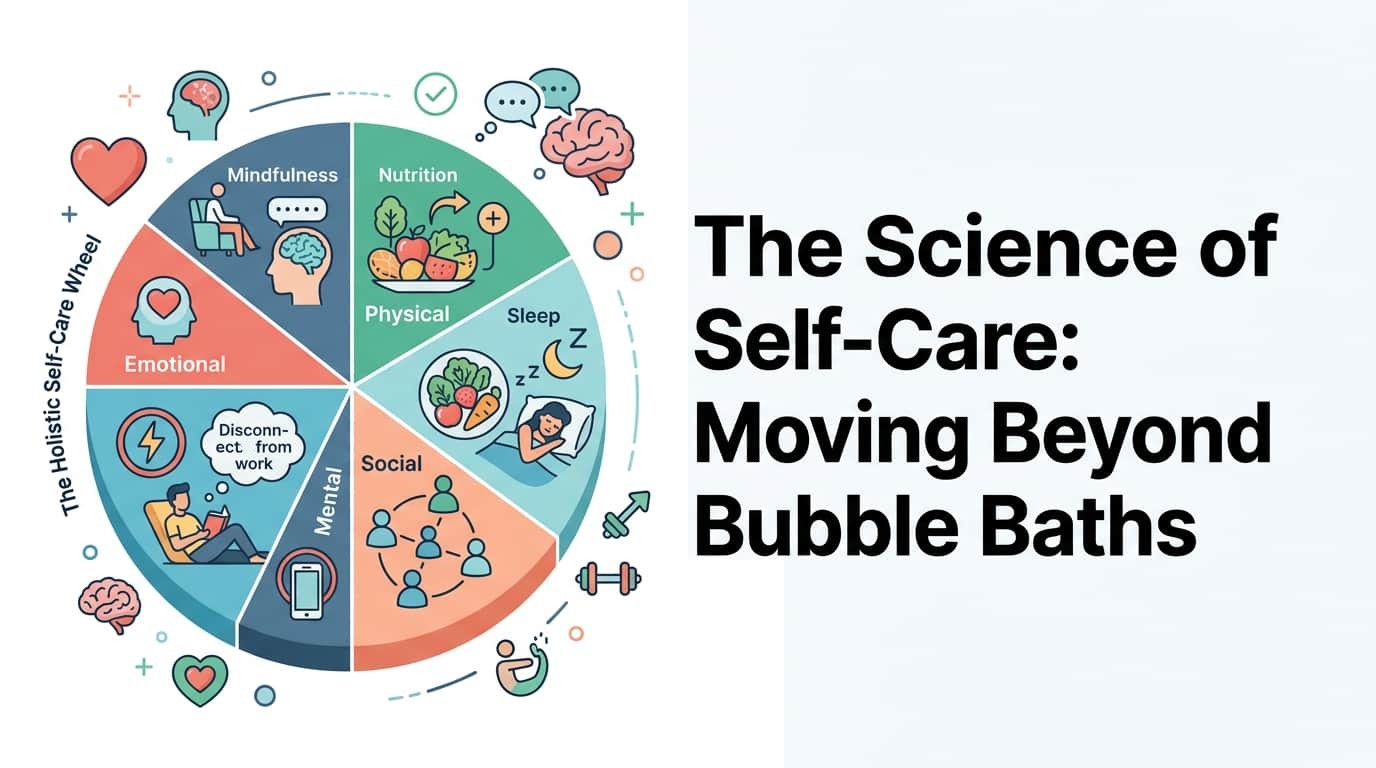
Self-care has been sold to us as scented candles and weekend spa trips. But for Maitland residents juggling remote work, Florida heat, and packed schedules, that version rarely sticks. Real self-care is biological. It's the kind that lowers your cortisol by 23%, repairs your nervous system, and builds genuine resilience over time.
If you're looking for strategies that actually hold up, Orlando Thrive Therapy can help you build a plan grounded in both neuroscience and the realities of Central Florida life. Call (407) 592-8997 to speak with a therapist today.
What Does the Vagus Nerve Have to Do With Stress?
Your vagus nerve is the body's built-in brake pedal for the stress response. When activated, it signals your nervous system to shift out of fight-or-flight mode, lowering heart rate, reducing cortisol, and restoring a sense of calm within minutes. Most people don't realize that simple, repeatable habits, not grand wellness retreats, are what activate it most reliably.
Slow diaphragmatic breathing, for example, stimulates vagal tone in under five minutes. So does cold water on the face, humming, or gentle movement. These aren't tricks. They're physiological tools that work every time you use them.
Active recovery plays a role here too. Light movement after stress, like a 20-minute walk, clears cortisol from the bloodstream faster than sitting still. Research shows cortisol can return to baseline up to 40% faster with light aerobic activity than with passive rest. That's a meaningful difference for anyone managing the kind of chronic low-grade stress that Central Florida's pace tends to generate.
How Can Florida's Outdoors Support Mental Health?
Florida's climate offers something most states can't: year-round access to nature-based recovery. Sunlight exposure before 10 a.m. triggers vitamin D synthesis and helps regulate melatonin, improving sleep quality within two to four weeks of consistent practice.
Coastal grounding, or walking barefoot on grass or sand, has been studied for its effect on inflammation and the autonomic nervous system. Parks like Mead Gardens in Winter Park or the trails around Lake Lily in Maitland give residents easy access to green and blue spaces without driving more than a few miles.
Spending 20 to 30 minutes outdoors in natural light, three to five times per week, produces measurable improvements in mood and focus. It doesn't require a gym membership or a cleared schedule. It just requires showing up.
Does a Digital Detox Actually Improve Focus and Productivity?
Yes. Studies on cognitive rest show that taking structured breaks from screens, as short as 60 to 90 minutes per day, can improve sustained attention by up to 30% over a two-week period. The brain's default mode network, which handles problem-solving and creativity, only activates fully during genuine downtime.
For professionals working from home around the Dr. Phillips or Maitland areas, the line between work and recovery has largely disappeared. Notifications pull attention constantly. Most people spend fewer than 20 minutes per day in true cognitive rest.
Practical steps that work: set a phone-free window before bed (at least 45 minutes), schedule two 15-minute screen breaks during the workday, and build one tech-free meal into your daily routine. These aren't restrictions. They're recovery windows that protect your professional output.
Individual counseling at Orlando Thrive Therapy regularly incorporates boundary-setting strategies and digital detox planning as part of a holistic self-care approach. If the boundaries feel impossible to hold on your own, working with a therapist helps make them stick.
What Role Does Nutrition Play in Mental Health?
The gut-brain axis is one of the most studied relationships in current neuroscience. Roughly 90% of serotonin is produced in the gut, not the brain. That means what you eat directly affects mood regulation, anxiety levels, and cognitive function.
Whole foods high in fiber, omega-3 fatty acids, and antioxidants support microbial diversity in the gut, which correlates with lower rates of depression and anxiety. On the other hand, diets high in processed sugar and refined carbohydrates are linked to 25 to 35% higher rates of mood disorders over time.
Hydration matters just as much. In Florida's 90-degree summers, even mild dehydration, roughly a 1 to 2% drop in body water, impairs working memory and increases irritability. Aiming for 80 to 100 ounces of water daily during warmer months is a reasonable baseline for most adults.
None of this requires extreme dietary changes. Adding one handful of leafy greens and swapping a processed snack for something whole-food-based per day creates compounding benefits over 60 to 90 days.
Why Does Face-to-Face Connection Matter for Emotional Resilience?
Social connection is one of the strongest predictors of long-term mental health. Research consistently shows that people with strong community ties have a 50% higher likelihood of longevity, lower inflammation markers, and significantly reduced rates of anxiety and depression.
For residents in the counseling Maitland Florida area, community engagement doesn't have to mean large social events. Regular attendance at a local farmers market, joining a fitness class, or simply having a weekly coffee commitment with one other person counts. Consistency outweighs intensity.
Face-to-face interaction triggers oxytocin release in a way that digital communication doesn't replicate. A 10-minute in-person conversation produces more measurable emotional benefit than an hour of texting or social media scrolling.
EMDR therapy and teletherapy services at Orlando Thrive Therapy can help you process the relational wounds that make connection feel unsafe or exhausting, clearing the path toward genuine community.
How Do You Build a Self-Care Routine That Actually Lasts?
Sustainable self-care isn't built on motivation. It's built on structure. Small, consistent habits, stacked on top of existing routines, compound into significant mental health improvements over weeks and months.
A practical starting point for a Florida-specific routine looks like this:
- Morning: 15 to 20 minutes of outdoor sunlight exposure before checking your phone
- Midday: One screen-free meal and a 10-minute walk to manage cortisol buildup
- Afternoon: A brief breathing exercise (4 counts in, 6 counts out, repeated for 5 minutes) to activate vagal tone before returning to work
- Evening: A whole-foods dinner, 45 minutes without screens before sleep, and a short social check-in with someone you care about
This routine costs nothing, takes under an hour total when distributed across the day, and addresses five of the major physiological drivers of stress and poor recovery.
For residents in the counseling Maitland Florida area, individual counseling can add a layer of personalization to this framework. A therapist helps identify which stressors are driving the most damage, which boundaries need reinforcing, and where nutritional or relational gaps are quietly undermining your wellbeing.
Ready to Build a Self-Care Routine That Works for You?
Science-backed self-care isn't complicated, but it does require intention. For Maitland and Central Florida residents managing real stress in real conditions, the strategies here, rooted in neuroscience, Florida's environment, and community connection, offer a foundation that holds.
Orlando Thrive Therapy specializes in individual counseling that goes beyond generic wellness advice. Their team brings together nutritional support, boundary-setting, trauma-informed care, and personalized treatment plans to help you build a routine grounded in who you actually are.
Call (407) 592-8997 today to connect with a therapist who serves the counseling Maitland Florida community.
Start Your Journey Toward Thriving
Connect with a compassionate Orlando therapist and take the first step toward healing, clarity, and lasting emotional well-being.