
Postpartum Depression in Winter Garden: You Are Not a Bad Mom
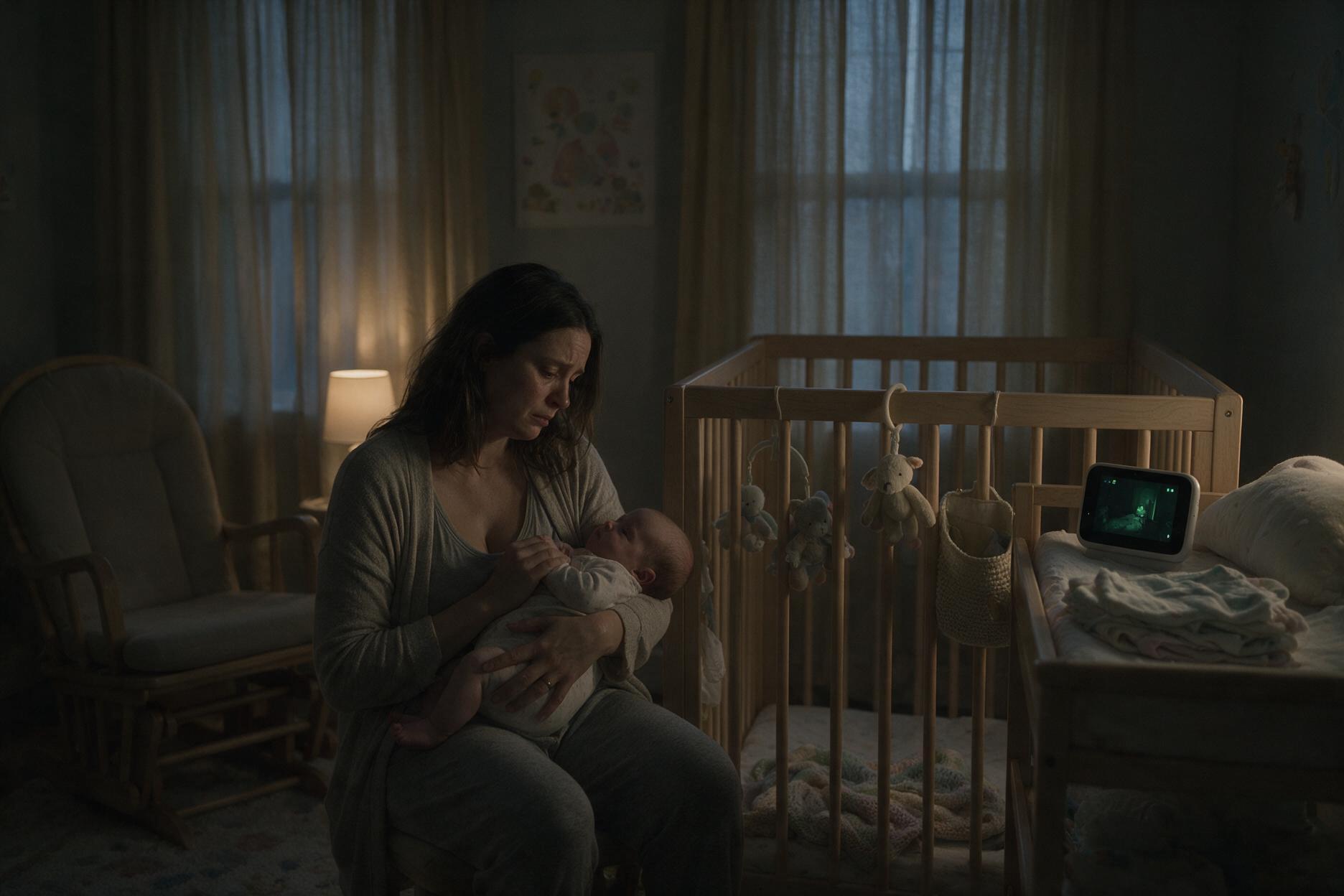
Postpartum depression is a real and common medical condition, not a character flaw and not proof that you are failing your baby. It can bring deep sadness, numbness, anxiety, or a sense that you are just going through the motions long after birth. You are not alone, and it is treatable. Plenty of Winter Garden parents have pushed a stroller past Plant Street Market while quietly struggling underneath. At Orlando Thrive Therapy, we want you to know help is close. Call (407) 592-8997 or reach out to our team whenever you are ready.
What is the difference between baby blues and postpartum depression?
Baby blues are short-lived mood swings, tearfulness, and overwhelm that usually fade within about two weeks. Postpartum depression is heavier, lasts longer, and does not lift on its own. The baby blues are that early bout of weepiness and overwhelm that a large share of new mothers feel in the first days after delivery. They tend to ease as hormones settle and you find a little footing. Postpartum depression is different. It runs deeper, it lasts longer, and it does not simply pass because a few weeks have gone by. You might feel persistently sad or empty, disconnected from your baby, unable to sleep even when the house is finally quiet, or gripped by worry that will not switch off. Some mothers feel anger or numbness far more than tears. A slow stroller loop on the West Orange Trail might be the one thing that gets you outside, and you still feel like you are watching your own life from behind glass. That gap between how you think you should feel and how you actually feel is worth taking seriously, not brushing off.
How common is postpartum depression, and is it treatable?
Postpartum depression is one of the most common complications of childbirth, affecting many new mothers. It is also very treatable, and most people feel meaningfully better with the right support. It reaches mothers of every background, income, and birth story, including people who very much wanted and planned their pregnancy. That matters, because the shame around it often whispers that you are the only one, which simply is not true. Recovery usually comes through a mix of talk therapy, support at home, and, when a medical provider recommends it, medication. Therapists do not prescribe medication and do not replace your doctor. We work alongside your OB, midwife, or primary care provider so your care fits together. Therapy for women gives you a private place to say the parts you are scared to say out loud, without anyone judging you for them. You might picture holding all of this together while running errands through historic downtown Winter Garden with a newborn. You do not have to carry it alone to be a good mother.
When should I reach out for help with postpartum depression?
Reach out if low mood, anxiety, or numbness lasts beyond two weeks or gets in the way of daily life. Sooner is always fine, and there is no threshold you have to hit first. You do not need to wait until things feel unbearable, and you do not have to earn help by suffering a certain amount. Trouble bonding with your baby, trouble eating or sleeping in ways that are not just newborn exhaustion, constant dread, or the sense that your family would be better off without you are all reasons to talk to someone now. That last thought in particular deserves immediate attention. If you ever have thoughts of harming yourself or your baby, call 988 or 911 right away, because that is an emergency and you deserve fast care. For the steady work of feeling like yourself again, individual therapy gives you regular, dedicated time with someone in your corner. Asking for help early is not weakness. It is one of the most protective things you can do for your baby.
Does having postpartum depression make me a bad mom?
No. Postpartum depression is an illness, not a verdict on how much you love your child. A struggling mother and a bad mother are two completely different things, even though the depression itself will try hard to convince you otherwise. That cruel voice telling you your baby deserves better is a symptom, not the truth. The fact that you are worried about being a good enough parent is itself a sign of how much you care. Getting support does not take anything away from your child. It gives them a parent who is slowly getting steadier and more present. You are allowed to want your own life back alongside loving them. If you have read this far and something in your chest tightened because it sounds like you, that is worth a phone call. Reach us at (407) 592-8997 or get in touch with our team, and we will help you take the next small step.
Start Your Journey Toward Thriving
Connect with a compassionate Orlando therapist and take the first step toward healing, clarity, and lasting emotional well-being.