
How to Deal With Passive-Aggressive People in Orlando
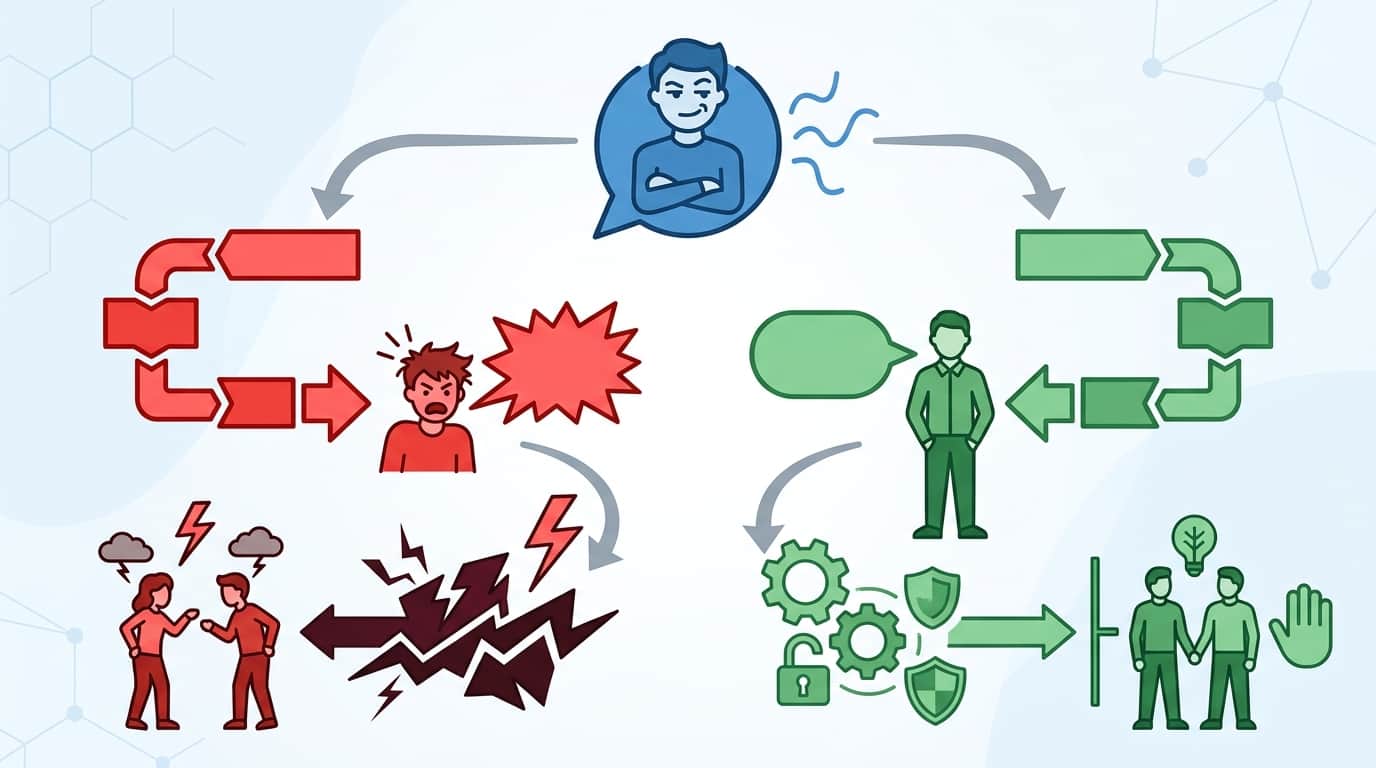
Learning how to deal with passive-aggressive people requires setting clear boundaries, using direct "I" statements, and focusing on specific behaviors rather than underlying intent. By communicating calmly and documenting workplace incidents, you can protect your emotional health. If you need professional guidance navigating toxic relationships, contact Orlando Thrive Therapy at (407) 592-8997.
Living and working in Central Florida brings enough daily stress without adding veiled hostility to the mix. Between the heavy I-4 traffic and the fast-paced corporate environments downtown, dealing with the silent saboteur of passive aggression drains your energy fast.
We see the toll this takes on our clients every day. When colleagues or family members hide their anger behind backhanded compliments and missed deadlines, it ruins productivity and destroys trust. Our therapists typically find that recognizing the signs early prevents years of emotional exhaustion. You can learn to identify these patterns and manage them effectively in both your professional and personal life.
What Does Passive Aggression Look Like?
Passive aggression is a covert way of expressing anger or frustration without direct confrontation. It shows up as subtle resistance, backhanded compliments, and the silent treatment, or intentional procrastination. People use these behaviors because they fear conflict but still want to exert control over a situation or relationship.
The psychology behind this behavior stems from underlying resentment and an inability to express negative emotions openly. Someone might feel slighted but lack the assertiveness to say so. Instead, they act out indirectly. Distinguishing this from direct conflict is simple. Direct conflict is loud and clear. Passive aggression leaves you questioning your own reality.
How Do You Recognize Passive Aggression at Work?
At work, passive aggression looks like missed deadlines accompanied by endless excuses, withholding crucial information, or feigning incompetence to avoid tasks. These behaviors destroy team dynamics, reduce overall productivity by up to 40%, and create a toxic environment that drives away top talent.
We recently helped a client dealing with a passive-aggressive manager in Lake Nona. The manager would consistently leave the employee off vital email chains, then act surprised when tasks fell through the cracks. Identifying these triggers and patterns is the first step to protecting your career.
Micro-Case Study: Dismantling Workplace Hostility
Our communication coaching for high-stress corporate environments focuses on dismantling veiled hostilities without escalating conflict.
The Scenario: A coworker agrees to send you a report by noon but consistently delivers it at 4:30 PM, claiming they were "just too swamped."
The Actionable Script:
Instead of getting angry, address the behavior directly using an "I" statement.
"I noticed the report arrived at 4:30 PM instead of noon. When deadlines are missed, it pushes my schedule back. How can we ensure we meet the noon deadline tomorrow?"
This script focuses entirely on the behavior and the outcome. It removes emotion and forces the passive-aggressive person to address the actual problem. Document every instance like this within 24 hours to create a reliable paper trail.
How Does Passive Aggression Affect Your Home Life?
At home, passive-aggressive partners might use the silent treatment, make indirect criticisms, or conveniently “forget” to handle household chores. These subtle hostilities slowly erode trust and intimacy, leaving the other partner feeling confused, anxious, and emotionally exhausted over time.
Living with this constant tension completely changes your family dynamics. A partner who agrees to clean the kitchen but consistently "forgets" is expressing hidden resentment. Understanding how this manifests in intimate relationships takes patience. If you constantly feel like you are walking on eggshells around your spouse, it might be time to seek marriage therapy. Our Winter Park counselors help couples break these negative cycles and learn to communicate their real needs.
What Are the Best Strategies for Managing This Behavior?
The best way to handle veiled hostility is through direct, non-accusatory communication. Use "I" statements to describe how the behavior affects you, set firm boundaries, and practice active listening. In professional settings, always document incidents to protect yourself from manipulation.
When figuring out how to deal with passive aggressive people, remember that you cannot control their actions. You can only control your response. Call out the behavior gently and directly. Keep your tone neutral. If a family member makes a sarcastic joke, ask them to clarify what they mean. This forces them to either own their statement or back down.
Protecting your emotional intelligence requires strong self-awareness. Practice stress management techniques like deep breathing or taking a walk outside. If the situation severely impacts your well-being, reaching out for anxiety therapy provides a safe space to process your feelings. Individual counseling typically costs $150 to $200 per session, an investment that pays off by saving your peace of mind.
When Should You Call a Professional Therapist?
Seek professional help when passive-aggressive behavior begins affecting your sleep, your job performance, or your self-worth. If boundary setting and direct communication fail to change the dynamic, a licensed therapist can provide mediation and advanced coping strategies to protect your mental health.
Sometimes you need to disengage entirely. Building resilience means knowing when to walk away from a toxic situation. At Orlando Thrive Therapy, we empower you to create healthier environments. If you travel frequently for work and cannot make it to our local offices, our Teletherapy Services allow you to access expert care from anywhere.
Understanding how to deal with passive aggressive people gives you your power back. You deserve relationships built on honesty and mutual respect.
Need help establishing boundaries? Contact Orlando Thrive Therapy at (407) 592-8997 to schedule your consultation.
Start Your Journey Toward Thriving
Connect with a compassionate Orlando therapist and take the first step toward healing, clarity, and lasting emotional well-being.