
Burnout in Orlando: How to Build Psychological Resilience
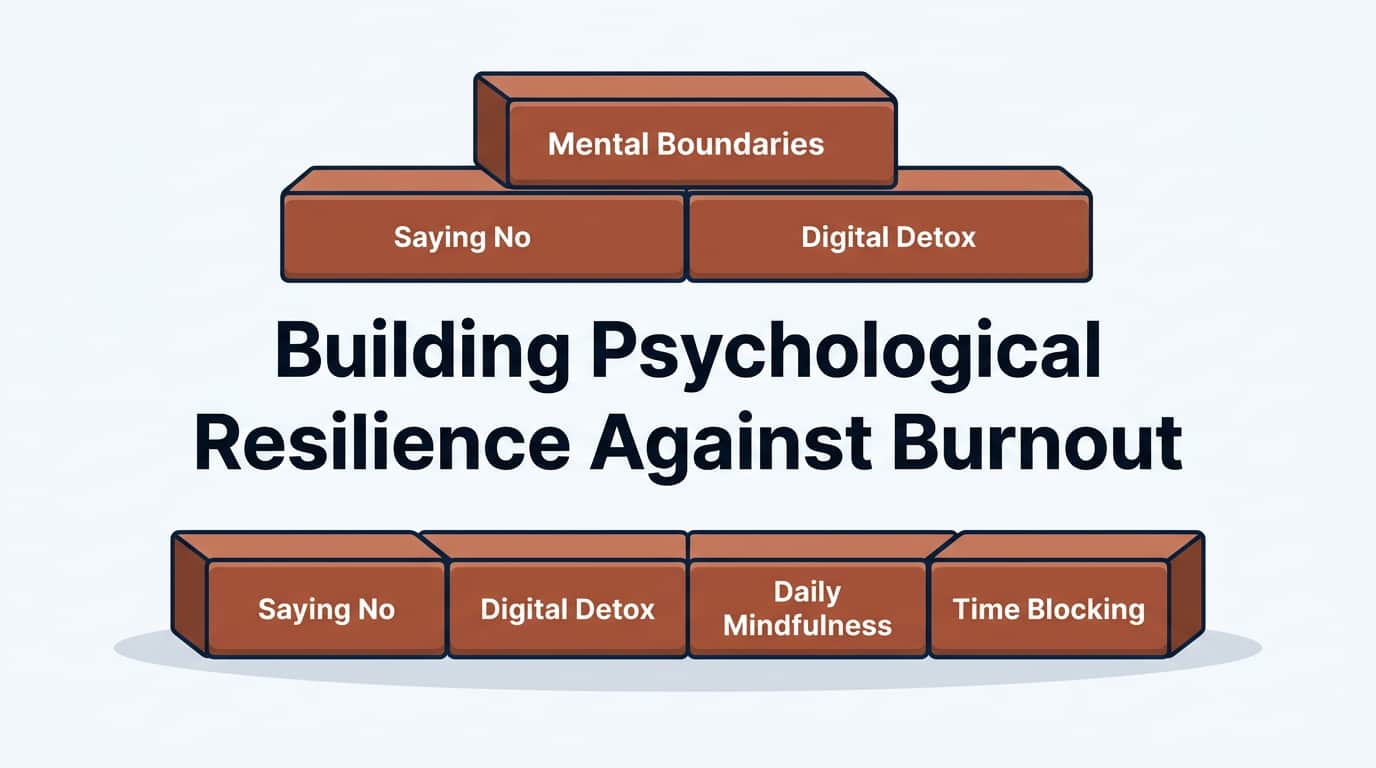
Burnout isn't just feeling tired after a long week. For many Orlando residents, it's a slow drain that takes months to fully surface, often showing up as chronic fatigue, emotional numbness, or a creeping sense that nothing you do is ever enough. If that sounds familiar, you're not alone, and there's a real path forward.
At Orlando Thrive Therapy, we work with clients every day who come in running on empty. Some have been pushing through exhaustion for 6 to 12 months before they finally reach out. The goal of this post is to help you spot burnout early and give you practical, research-backed strategies to start building real resilience, not just coping.
Ready to take that first step? Call Orlando Thrive Therapy at (407) 592-8997 to speak with one of our therapists today.
What Does the Burnout Crisis Look Like in Central Florida?
Burnout in Central Florida follows a pattern we see across industries: long hours, year-round demands, and very little recovery time built in. Orlando's economy runs on tourism, healthcare, and tech, three sectors with notoriously high pressure and minimal downtime. Unlike northern states where a slower winter pace gives people a natural reset, Orlando's pace barely shifts. The heat alone adds a layer of physical stress that many people underestimate. Add a packed commute on I-4 to an already overwhelming workday and you've got a recipe for chronic stress.
According to the American Institute of Stress, 83% of US workers suffer from work-related stress. Locally, we see that number reflected in the volume of clients coming to our Downtown Orlando and Winter Park offices specifically for burnout-related support. The warning signs tend to cluster together: persistent exhaustion that sleep doesn't fix, growing cynicism about work, and a measurable drop in personal effectiveness. When all three show up together, that's clinical burnout, not just a rough patch.
Why Does Psychological Resilience Matter So Much for Performance?
Psychological resilience is the ability to recover from stress, adapt to difficult circumstances, and keep functioning without breaking down. It's not a fixed trait you either have or don't. Research from the American Psychological Association confirms that resilience is built through deliberate habits and, often, guided support.
Here's why it matters for your performance specifically: resilient people don't just bounce back faster. They actually process stress differently at a neurological level. Chronic burnout, left unaddressed, shrinks the prefrontal cortex over time, the part of the brain responsible for decision-making, focus, and emotional regulation. Building resilience works in the opposite direction. It strengthens the neural pathways that help you stay regulated under pressure, which means better judgment, more creativity, and fewer reactive decisions.
For Orlando professionals managing remote teams, running businesses, or navigating high-stakes roles in healthcare and hospitality, that cognitive edge isn't optional. It's the difference between thriving and just getting through the week.
What Proactive Strategies Actually Combat Workplace Stress and Fatigue?
The most effective strategies for combating burnout work before you hit the wall, not after. Here's what our therapists consistently recommend:
Set hard stop times. Choose a time each evening when work ends. 7:00 PM works for many of our clients. The specifics matter less than the consistency. Without a clear boundary, the workday expands indefinitely.
Use micro-recovery windows. A 10-minute break every 90 minutes is not laziness. It's how the brain maintains peak performance across a full workday. Research from the Draugiem Group found that the most productive workers work for 52 minutes and then break for 17. Even a shorter version of this pattern produces meaningful results.
Address stress at the source. Coping strategies help in the short term, but if the underlying drivers of stress aren't identified, the burnout cycle restarts. This is where working with a therapist becomes genuinely useful. Our individual therapy sessions focus on identifying burnout patterns, building mental boundaries, and developing the self-awareness needed to catch overload before it becomes crisis.
Get your sleep architecture right. Sleep deprivation at 6 hours per night for two weeks produces the same cognitive impairment as being legally drunk, according to research from the University of Pennsylvania. Orlando's year-round social calendar makes it easy to deprioritize sleep. Don't.
How Can Orlando's Lifestyle Support Better Mental Health?
One of the genuine advantages of living in Central Florida is the access to outdoor environments that actively support stress recovery. Spending 20 to 30 minutes in a natural setting lowers cortisol by up to 21%, according to a 2019 study in Frontiers in Psychology.
Practically speaking, that means a walk along the Cady Way Trail in Winter Park, an early morning visit to Lake Eola in Downtown Orlando, or even 20 minutes on the grass at Dr. Phillips Park can produce a measurable physiological shift. These aren't luxuries. They're evidence-based recovery tools that happen to be free and locally accessible.
Teletherapy Services through Orlando Thrive Therapy also make it easier to maintain consistent mental health support without adding another commute to your day. Whether you're based in Florida or accessing support as a New York resident, virtual sessions remove the scheduling friction that often keeps people from getting help. For clients who also need deeper trauma work, our EMDR therapy program offers an evidence-based approach to resolving the past experiences that often fuel present-day burnout.
How Do You Build Sustainable Habits That Move You From Surviving to Flourishing?
Sustainable habits don't come from willpower alone. They come from designing your environment and routines so that the healthy choice becomes the easy choice.
Start with three specific changes, not ten. When clients try to overhaul everything at once, they burn out on their own recovery plan within two to three weeks. Three focused changes, practiced consistently for 30 days, create a genuine shift.
The habits we most often recommend for burnout recovery:
Morning grounding practice (5-10 minutes). Before checking your phone, spend 5 to 10 minutes in deliberate quiet. This can be breathwork, journaling, or simply sitting with a coffee and no screen. It sets a regulated tone for the rest of the day and builds the kind of mental boundary between rest and work that burnout actively erodes.
Weekly review and reset. Every Sunday, spend 15 minutes reviewing the previous week without judgment and identifying one thing you'll protect next week. It might be a lunch break, an evening off, or a workout. The goal is intentionality, not perfection.
Structured social connection. Isolation is both a symptom and a cause of burnout. Commit to at least one planned social interaction per week that has nothing to do with work. It doesn't need to be elaborate. The neurological benefits of genuine connection are well-documented and often underestimated as a burnout recovery tool.
For clients working through deeper patterns of self-criticism, perfectionism, or chronic overgiving, life coaching and mindfulness-based stress management within individual therapy can help identify exactly why these habits have been hard to maintain. In our experience, it's rarely a motivation problem. It's almost always a belief problem.
This same principle applies to clients accessing individual therapy in New York through our teletherapy platform. Burnout looks similar regardless of geography, and the strategies that work in Orlando work just as well for New York-based clients managing high-pressure careers remotely.
Build Mental Toughness Before You Need It
Burnout doesn't appear overnight, and recovering from it doesn't happen overnight either. The Orlando residents who come out the other side stronger are the ones who treat mental resilience as a skill worth building, not just something to patch up when things fall apart.
The strategies in this post are a starting point. A morning routine, clear work boundaries, access to local nature, and consistent social connection will all make a measurable difference. But for many people, the most important move is getting professional support before the situation becomes a crisis.
Our therapists at Orlando Thrive Therapy specialize in helping clients identify burnout at its root, build the psychological boundaries that protect long-term performance, and develop a personalized path forward. Call us at (407) 592-8997 to schedule your first session. We have offices in Downtown Orlando, Winter Park, and Dr. Phillips, and teletherapy is available for Florida and New York residents.
You don't have to keep running on empty.
Start Your Journey Toward Thriving
Connect with a compassionate Orlando therapist and take the first step toward healing, clarity, and lasting emotional well-being.