
Attachment Styles in Relationships: A Guide for Orlando Residents
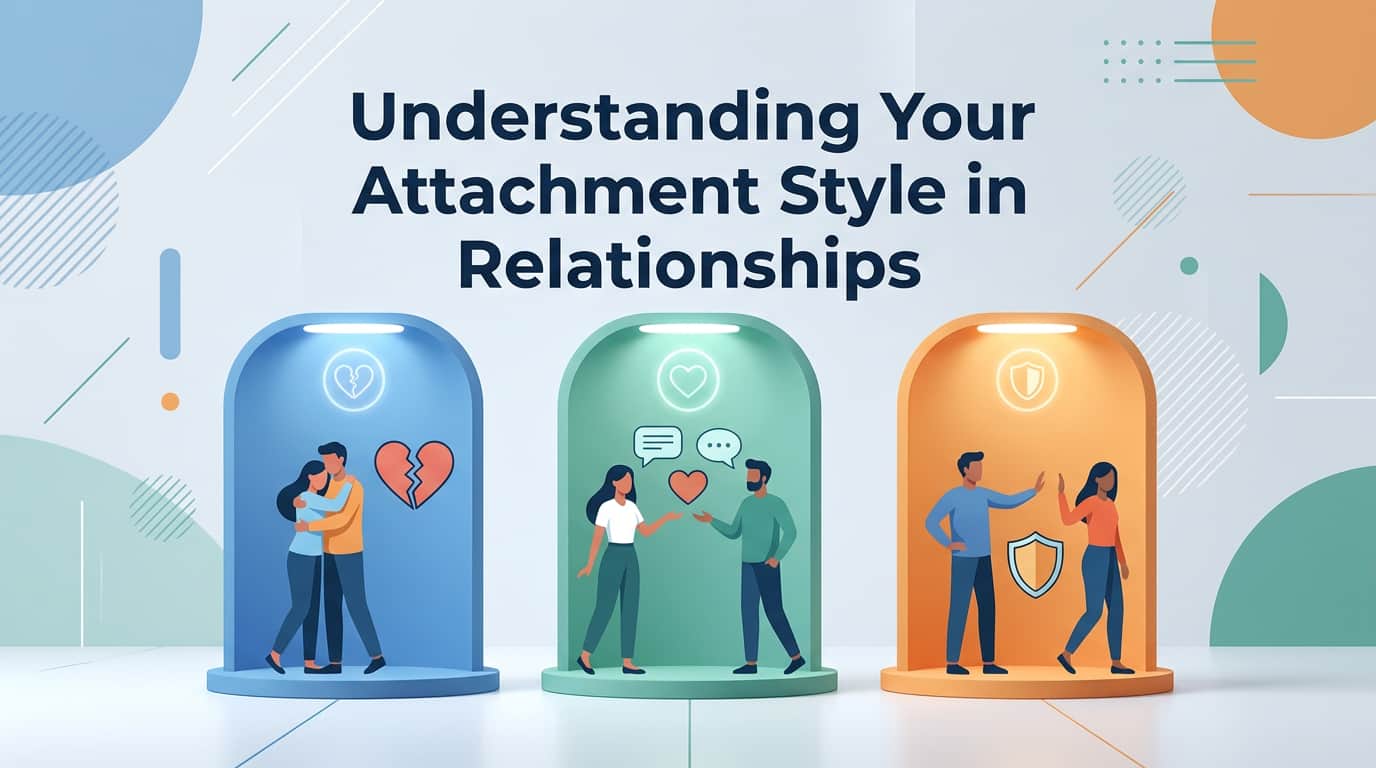
Your attachment style shapes nearly every relationship you have. It influences how you handle conflict, how close you let people get, and why certain patterns keep showing up no matter how hard you try to change them. If you've ever wondered why relationships feel so hard, understanding your attachment style may be the missing piece.
Orlando Thrive Therapy offers relationship therapy and trauma-focused support right here in Central Florida. Call (407) 592-8997 to schedule a consultation and start understanding your patterns today.
What Are the Four Main Attachment Styles?
Attachment theory identifies four core styles that shape how people connect in relationships: Secure, Anxious, Avoidant, and Disorganized. Developed by psychologist John Bowlby in the 1960s and later expanded by Mary Ainsworth, the theory holds that the bonds we form with caregivers in childhood create a template we carry into adult relationships.
Here's a quick breakdown of each:
Secure Attachment: People with this style feel comfortable with intimacy and independence. They trust that partners will show up for them. They communicate needs clearly and handle conflict without catastrophizing.
Anxious Attachment: This style shows up as a deep fear of abandonment. People with anxious attachment often seek constant reassurance, over-analyze their partner's behavior, and feel destabilized when connection feels threatened.
Avoidant Attachment: People with avoidant attachment tend to value self-reliance above all else. They pull away when relationships get too close, often without fully understanding why.
Disorganized Attachment: Sometimes called fearful-avoidant, this style combines both the desire for closeness and the fear of it. People with disorganized attachment often experienced trauma in early childhood, and relationships can feel confusing and unsafe even when they're not.
How Does Childhood Shape Your Adult Relationships?
Your earliest relationships, specifically the ones with your primary caregivers, wire your nervous system to expect certain things from the people closest to you. If your caregiver was consistently warm and responsive, your nervous system learned that connection is safe. If they were unpredictable, cold, or frightening, your nervous system learned something very different.
Research published in developmental psychology literature shows that roughly 50-60% of adults carry a secure attachment style, while the remaining 40-50% are distributed across the three insecure styles. That means a significant portion of people are navigating relationships with a nervous system that's working against them, often without realizing it.
This isn't about blame. Parents who raised children with insecure attachment styles were usually doing their best with what they had. Many of them carried their own unresolved attachment wounds. The cycle repeats, not out of malice, but out of patterns that were never examined.
The good news? The brain is adaptable. Attachment patterns can change, especially with the right therapeutic support.
How Do You Know Which Style Is Yours?
Most people can identify their attachment style by paying close attention to how they behave under relationship stress, not when things are going smoothly, but when they're not.
Signs of Anxious Attachment:
- You frequently check your phone waiting for a reply
- Conflict with a partner feels like the relationship is ending
- You need frequent reassurance to feel secure
- You tend to put your partner's needs above your own to avoid rejection
Signs of Avoidant Attachment:
- You feel suffocated when a partner wants more closeness
- You prefer to handle problems alone
- Emotional vulnerability feels uncomfortable or unnecessary
- You tend to exit relationships when they get too serious
Signs of Disorganized Attachment:
- You simultaneously crave and fear intimacy
- You feel confused about what you want in relationships
- Past trauma surfaces during conflict or emotional closeness
- Relationships feel exciting and terrifying at the same time
Signs of Secure Attachment:
- You trust your partner without constant reassurance
- Disagreements don't threaten the foundation of the relationship
- You're comfortable being both independent and close
- You generally feel settled in relationships rather than anxious or distant
Most people recognize themselves in more than one category. That's normal. Attachment styles exist on a spectrum, and context matters.
What Steps Can You Take to Build More Secure Attachment?
Shifting toward secure attachment is possible at any age, but it takes intentional work. It's not something that happens by reading an article or simply deciding to behave differently. It requires addressing the emotional and neurological patterns underneath the behavior.
1. Name your triggers. Start paying attention to what activates your attachment system. Is it when your partner doesn't text back? When someone gets too close? When conflict arises? Naming the trigger is the first step to responding rather than reacting.
2. Learn your nervous system's language. Attachment responses are physiological, not just psychological. When you feel the urge to cling or pull away, your body is responding to a perceived threat. Practices like breathwork, mindfulness, and somatic awareness help you regulate that response in real time.
3. Work with a therapist who understands attachment. This is where real, lasting change happens. A skilled therapist can help you trace patterns back to their roots and rewire them in a way that talk-based self-help simply can't replicate. For people with disorganized attachment or trauma histories, approaches like EMDR therapy are especially effective. EMDR works by helping the brain reprocess traumatic memories that are driving current relationship patterns, often producing significant shifts in fewer sessions than traditional therapy alone.
4. Practice relationships consciously. Secure attachment is built through repeated experiences of safe, reliable connection. This might mean choosing relationships with people who are emotionally available, setting boundaries, or asking directly for what you need rather than hoping someone will figure it out.
5. Be patient with the process. Changing attachment patterns that formed in childhood won't happen overnight. Most people working with a therapist on attachment-related issues see meaningful progress within three to six months of consistent work, though the timeline varies significantly based on the depth of the attachment wound and whether trauma is involved.
Why Does Understanding Attachment Matter for the Florida Community?
Central Florida is a remarkably diverse, transient community. Many residents here relocated from other states or countries, often leaving their original support networks behind. Neighborhoods like Dr. Phillips, Winter Park, and Altamonte Springs are home to professionals, young families, and retirees who are building new lives, sometimes without the close-knit community that used to hold their emotional world together.
That kind of social disruption can activate attachment patterns that might have stayed quiet in more stable environments. For people with anxious attachment, the loss of familiar support can trigger cycles of clinginess or relationship anxiety. For those with avoidant patterns, relocation often becomes an excuse to stay isolated. And for people with disorganized attachment, the stress of major life transitions can surface unresolved trauma.
This is exactly where working with a therapist who understands the local context makes a real difference. At Orlando Thrive Therapy, therapists work with Central Florida residents on relationship therapy specifically designed to identify and interrupt these patterns. Sessions are available in-office across multiple locations, including Altamonte Springs, as well as through Teletherapy Services for those who prefer to connect from home.
For clients dealing with trauma alongside attachment difficulties, EMDR therapy Altamonte Springs Florida is now available through the new Altamonte Springs location at 940 Centre Circle, Suite 1012. EMDR therapy Altamonte Springs Florida clients can access this evidence-based treatment in a setting that's accessible from Seminole County and the surrounding communities. The approach targets the root memories driving anxious, avoidant, or disorganized patterns rather than just managing surface-level symptoms.
Frequently Asked Questions About Attachment Styles
Can my attachment style change over time?
Yes. While attachment styles tend to be stable, they're not fixed. Positive relationship experiences, personal growth, and especially therapy can move someone from an insecure style toward a more secure one. Research suggests that earned secure attachment, the kind developed through therapeutic relationships and conscious relational work, functions similarly to naturally secure attachment in adults.
Can two people with different attachment styles have a healthy relationship?
They can, but it takes awareness and effort. The most common and challenging pairing is anxious and avoidant, sometimes called the push-pull dynamic. The anxious partner pursues, the avoidant partner withdraws, which triggers more pursuit, which triggers more withdrawal. Without intervention, this cycle tends to escalate. A therapist who specializes in relationship therapy can help both partners understand each other's patterns and develop new ways of responding.
How does EMDR therapy help with attachment issues?
EMDR therapy Altamonte Springs Florida and across other locations works by targeting the distressing memories and beliefs that formed during early attachment experiences. Rather than simply reframing thoughts, EMDR uses bilateral stimulation to help the brain fully process memories that are stored in a fragmented, unresolved way. For someone with disorganized attachment rooted in childhood trauma, this can produce shifts that aren't accessible through talk therapy alone.
How much does relationship therapy cost in Orlando?
Fees vary based on the therapist and session type. Orlando Thrive Therapy operates as a private-pay practice. Private therapy rates in Orlando typically range from $125 to $250 per session. Many clients find that investing consistently in therapy for three to six months produces meaningful, lasting change that affects every area of life.
Take the Next Step Toward Healthier Relationships
Understanding your attachment style won't fix everything overnight. But it's a shift in perspective that changes how you see yourself in relationships, and that changes everything. When you know what's driving your patterns, you can start making choices that actually align with what you want rather than just repeating what feels familiar.
The therapists at Orlando Thrive Therapy specialize in relationship therapy, attachment work, and trauma-focused approaches including EMDR therapy Altamonte Springs Florida, serving Central Florida residents across multiple locations. If you're ready to understand your patterns and build healthier connections, call (407) 592-8997 today.
Start Your Journey Toward Thriving
Connect with a compassionate Orlando therapist and take the first step toward healing, clarity, and lasting emotional well-being.